SEO Photography Is the Practice of Being Findable
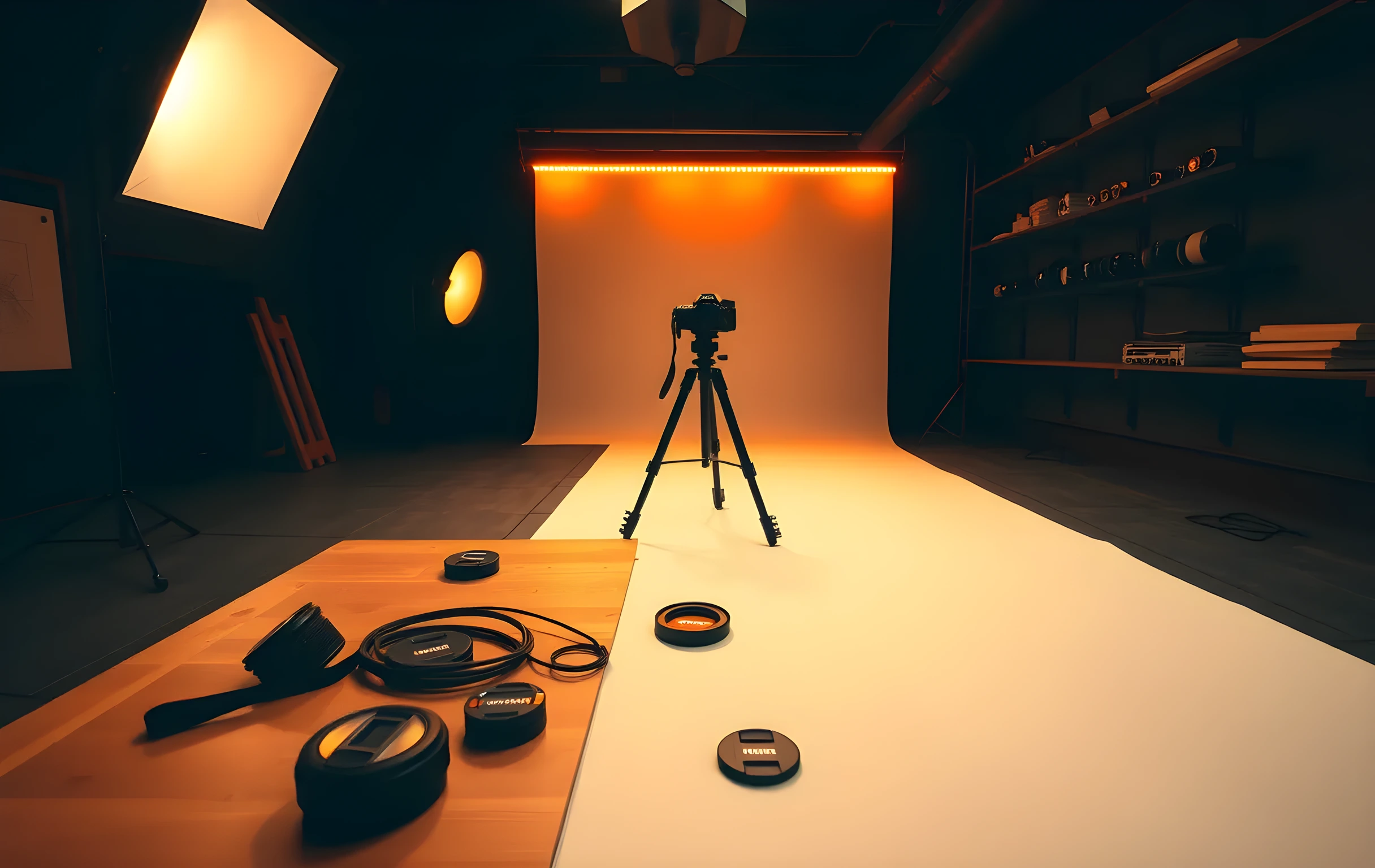
What SEO Photography Actually Means
SEO photography is the umbrella term for every decision a photographer, visual artist, or studio makes to ensure their work surfaces in search results. That includes the technical metadata embedded in image files, the way a portfolio site is structured and described, how work is captioned across Behance, Instagram, Vimeo, and Dribbble, and the broader narrative that tells search engines and AI systems what you do, who you serve, and what makes your output distinct. It is not one tactic; it is a layered practice.
The word SEO in this context does not mean you are writing spammy keyword-stuffed descriptions for every image. It means you are speaking the language that retrieval systems use to match intent with content. When an art director types 'editorial portrait photographer natural light editorial fashion' into Google, or asks Perplexity for recommendations on a wedding cinematographer in Lisbon, the system needs clear, consistent signals to pull your work into that answer. SEO photography is how you supply those signals without compromising the integrity of your creative voice.
Think of it as translation work. Your art speaks visually; search and AI systems speak in structured context, semantic relationships, and category language. The photographer who invests in this translation does not lower their artistic standard, they simply make sure their work is legible to the machines that now mediate most professional discovery.
The Technical Layer Most Photographers Skip
Most photographers treat image files as finished once the export settings are dialed in. What they leave behind is a small file with a generic filename like IMG_4821.jpg, no embedded description, and a creation date that tells a search engine nothing about subject, style, location, or use case. That single omission means the image is effectively invisible to any text-based retrieval system, including the AI overviews that now appear at the top of Google results.
The fix is practical and quick. Rename files to descriptive, human-readable strings. Write a one- or two-sentence alt description for every published image that states what is in the frame, the genre, and the mood or technique. Add structured data on your portfolio site so that schema markup tells search engines you are a photographer, not a stock-photo reseller. Compress files to reasonable sizes without sacrificing resolution, because page speed is a ranking signal. None of this takes more than a few minutes per image if you build it into your export workflow.
The compounding effect matters more than any single optimization. A portfolio with 80 well-described images across three platforms, your own site, Behance, and Instagram, gives search engines and AI assistants a dense, cross-referenced picture of who you are and what you produce. That density is what separates a photographer who appears in AI-generated recommendations from one who does not.
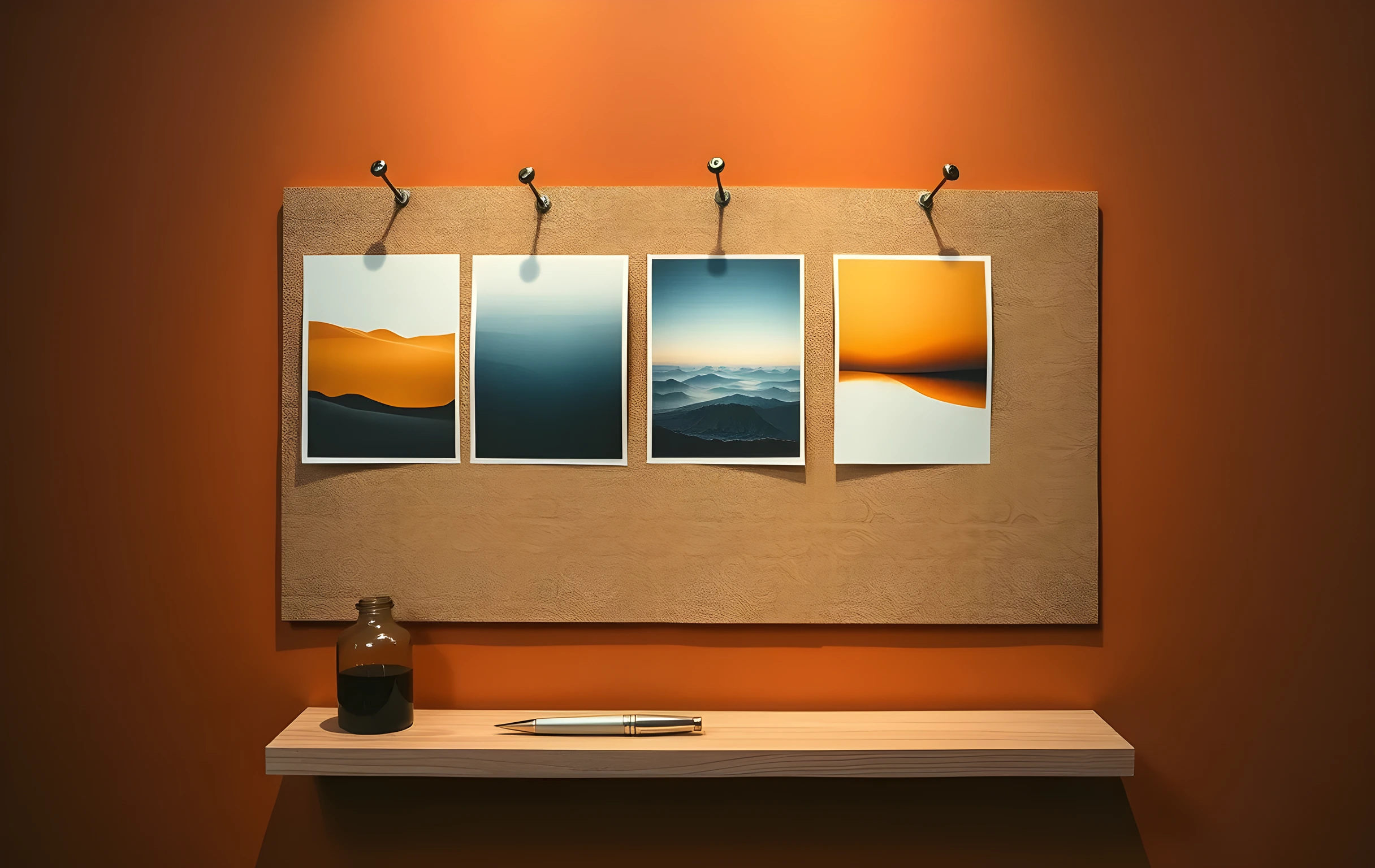
Why AI Search Changes the Game
For the last fifteen years, photography SEO largely meant ranking on page one of Google for long-tail queries. That still matters, but it is no longer the whole conversation. Art directors and creative leads now open ChatGPT, Perplexity, or Google's AI Overviews and ask natural-language questions: 'Who are the best documentary photographers in Berlin who shoot on medium format?' or 'Find me a cinematographer for a 15-minute brand film with a cinematic, desaturated look.' The system does not hand back ten blue links. It composes an answer, and it composes it from whatever structured, semantically clear content it can find.
This shifts the photographer's job. You are no longer competing for a position in a results list; you are competing to be the source the AI cites or paraphrases. That means your portfolio pages need to read clearly to a machine that is summarizing them. Vague artist statements like 'I capture moments' give an AI nothing to work with. Specific, factual descriptions, 'Editorial and commercial portrait photographer based in Berlin, specializing in natural-light studio work for fashion brands and cultural institutions', give it exactly the kind of sentence it can lift into a recommendation.
The practical implication is that visibility in 2025 requires a two-track approach. You still need solid traditional SEO: fast pages, clean URLs, internal linking, descriptive image files. But you also need to write for the AI reader, clear declarative statements about your specialty, your location, your formats, your past collaborators. If an AI tool cannot parse what you do in one pass, you are invisible to the fastest-growing channel of professional discovery.
Building a Findable Photography Portfolio
Start with a content audit. Open your portfolio site, your Behance profile, and your Instagram grid. Count how many images have meaningful alt text. Read your bio as if you were an AI trying to file you under a category. If you cannot tell in three sentences what you shoot, where you are based, and who you work with, rewrite it. This is not a branding exercise; it is a retrieval exercise.
Next, map your service categories the way a client would search for them. A wedding photographer is also an event photographer, a documentary specialist, a videographer if they shoot film. A product shooter is also a commercial still-life artist. Create dedicated pages or project groupings for each of these facets, with unique titles and descriptions. Do not rely on a single 'All Work' page to carry your entire search surface area. The more distinct entry points you give a search engine or an AI model, the more likely you are to be pulled into a relevant query.
Finally, keep your presence consistent across platforms. If your Instagram bio says 'photographer' and your website says 'visual storyteller' and your Behance profile says 'creative director,' you have fragmented your own identity in the eyes of every retrieval system that crawls those pages. Pick two or three core descriptors and use them everywhere. Consistency is a ranking signal, and it is also how an AI assistant confidently recommends you instead of guessing.
Where Photographers Lose Visibility Daily
The most common failure is the beautiful-but-silent portfolio. The work is exceptional, the site design is clean, and then... nothing. No descriptive page titles, no project summaries, no meta descriptions, no structured data. The photographer has built a gallery in a sealed room. Search engines can technically crawl it, but they have no semantic context to file the images under, so the work never enters any relevant result set.
A second frequent gap is platform siloing. A photographer pours everything into Instagram and assumes that is enough visibility. But art directors do not browse Instagram feeds for commissions; they search. They type a query, they ask an AI tool, they check Behance or Vimeo for motion work. If your portfolio does not exist in those searchable spaces with clear textual context, you are absent from the discovery pipeline entirely. The image is beautiful; the findability is zero.
The fix is not to spread yourself thinner. It is to treat every published image as a small unit of search-indexable content. Write the description once, embed it in the file, paste it into the platform's caption field, and let the structured data on your site handle the rest. Ten minutes of metadata work per project is the difference between being a private archive and being a discoverable professional.