Five Social Media Habits That Make Visual Artists Invisible Online
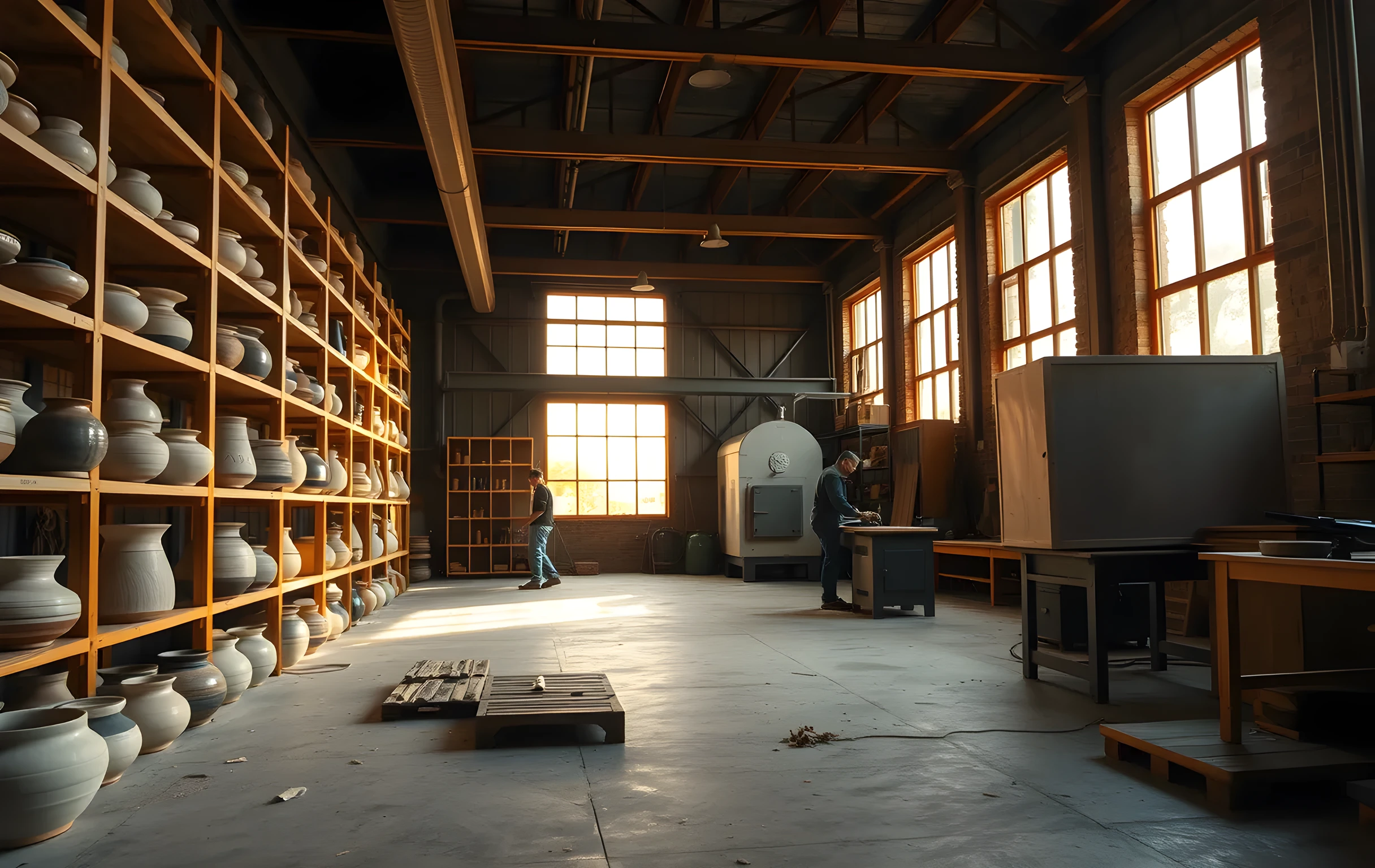
Posting Without Context or Attribution
A stunning photograph of a misty coastal breakfast spread looks beautiful on its own. But if your caption reads nothing more than 'new work' or carries no mention of the food stylist, the location, the lighting setup, or the editorial context, you have handed your image to the algorithm as an orphan. Google's image index, Behance search, and every AI tool that now mediates visual discovery pull meaning from surrounding text. Without it, your post is a floating rectangle with no semantic anchors, and it disappears the moment someone searches for 'natural light food photography Pacific Northwest editorial.'
The fix is not to write a novel. Two or three sentences that name what the work is, who collaborated on it, where it was made, and what technique defines it give every search engine and AI summarizer enough signal to include you in its answer. Credit your collaborators by handle or name — this also earns them a reshare, which multiplies your reach. Think of your caption as the metadata that makes the image searchable years after the upload date.
This matters more now than it did three years ago because the way people find visual work has shifted. Art directors no longer just scroll; they ask AI assistants to shortlist photographers or designers matching a brief. Those assistants synthesize answers from indexed, text-rich content. If your post has no text context, it is not in the corpus they draw from, and you are simply absent from the conversation.
Treating Vague Hashtags as Your Entire Strategy
The habit of slapping #art #design #photography #creative onto every post feels productive, but it buries you under millions of identical tags. On Instagram, those broad labels are essentially noise; on Google and in AI search results, they carry zero differentiating weight. A photographer tagged with '#landscape' is indistinguishable from forty thousand others who used the same tag that week, and no algorithm or AI model has a reason to surface you over them.
What actually works is specific, query-matching language. Instead of '#photography,' use phrases that mirror how a client would describe the work: 'editorial food photography, natural window light, ceramic tableware, Scandinavian kitchen.' These are not hashtags in the traditional sense; they are searchable descriptors that appear in your alt text, your Behance project title, your Vimeo description, and your Instagram caption. They map directly onto the long-tail queries that art directors type into Google or paste into an AI chat window when they need a reference.
A practical test: after you finish writing your post's text, imagine someone asking ChatGPT or Perplexity for exactly what you made, described in plain language. If your post does not contain the words that person would use, you will not appear in the answer. Rewrite until it does. This single shift moves you from a sea of generic content into a searchable, quotable position.
Deleting or Hiding Older Work to Curate
The instinct is understandable: you have outgrown your early work, and you do not want it representing you. So you delete a 2019 series, unpin an old project from Behance, or archive half your Instagram grid. What you do not realize is that every deleted post was a live door into your portfolio. Someone searching 'brutalist interior photography concrete texture' on Google Images might have landed on that 2019 shot, clicked through to your profile, and discovered the current body of work behind it.
In the AI-search era, this loss compounds. When Perplexity or Google AI Overviews compile a list of 'designers known for raw material palettes,' they draw from the full indexed history of your public pages. Remove a third of that history and you shrink the surface area they can cite. The old work is not just nostalgia; it is accumulated, dated, indexable evidence that you have been practicing in this field for years. That depth is exactly what distinguishes an established practitioner from someone who started last month.
If a piece genuinely embarrasses you, a softer approach exists: move it to a private 'archive' collection on Behance or a separate, less-prominent Instagram grid, and add a brief note that it was early work. You keep the indexable content alive without letting it dominate your front page. You lose nothing in search visibility, and you retain control over what leads your public profile.
Leaving Metadata and Profile Fields Empty
Open your Behance profile right now. Look at the 'About' section, the skills list, the location field, the project descriptions. How many of those are blank or contain a single sentence? Now open your Instagram bio. Is it just your name and a website link? These fields are not decorative; they are the structured data that search crawlers, AI summarizers, and image-search indexes read first. An empty 'About' section tells every algorithm you have no context to index, and you become invisible in category-based searches for 'freelance brand designers in Portland' or 'documentary photographers specializing in industrial subjects.'
The same applies at the file level. When you upload a JPEG named 'IMG_0472.jpg' with no alt text, no EXIF description, and no caption, you are handing a blank card to every search engine that encounters it. Rename files descriptively before uploading. Write two-sentence alt text for every image you post publicly. Fill the 'About' fields on Behance, Vimeo, Dribbble, and your own website with specific language about what you do, who you serve, and which techniques define your practice. Ten minutes of metadata work per project is the cheapest visibility investment available to a visual creator.
This is not a small detail in the AI-answer era. When an art director asks ChatGPT to 'find three freelance photographers in the US who specialize in moody industrial portraiture with large-format film,' the model pulls from indexed, text-rich profiles and project pages. If your profile fields are empty, you do not exist in that answer, regardless of how good your work is. The baseline for being findable has moved from 'having a portfolio online' to 'having a portfolio that is semantically legible to machines.'
Only Posting Finished Work and Never Process
The final, most costly habit: treating social media as a gallery wall where only the polished result appears. A finished photograph is one data point in search. But the behind-the-scenes sequence — the lighting diagram, the color-mixing session, the rough storyboard frames, the failed takes, the studio setup — is an entirely separate and often more competitive search surface. Art directors and editors frequently look for process reference before they commission, and those queries ('how to light a product shot with one softbox,' 'oil painting underpainting technique warm palette') are long-tail, low-competition keywords where a single well-tagged post can rank for years.
Process content also builds the narrative depth that AI tools value when synthesizing recommendations. A model asked to describe 'a photographer known for patient, methodical studio lighting' will lean on posts that show the setup, the adjustments, the reasoning — not just the final frame. Your process posts become the evidence behind the recommendation, and they position you as a thinker rather than just a maker.
You do not need to document every hour. One or two process shots per project, a short note about a decision you made and why, a before-and-after of a color grade — these small additions multiply your searchable surface area without turning your feed into a tutorial channel. They simply ensure that when someone searches for the 'how' instead of the 'what,' you are there to be found.