Creative Strategy

Building Topical Authority for Visual Artists and Filmmakers
By VisibleCreativity · August 12, 2026 · 6 min read
topical authoritycreative visibilityAI searchportfolio strategyfindability
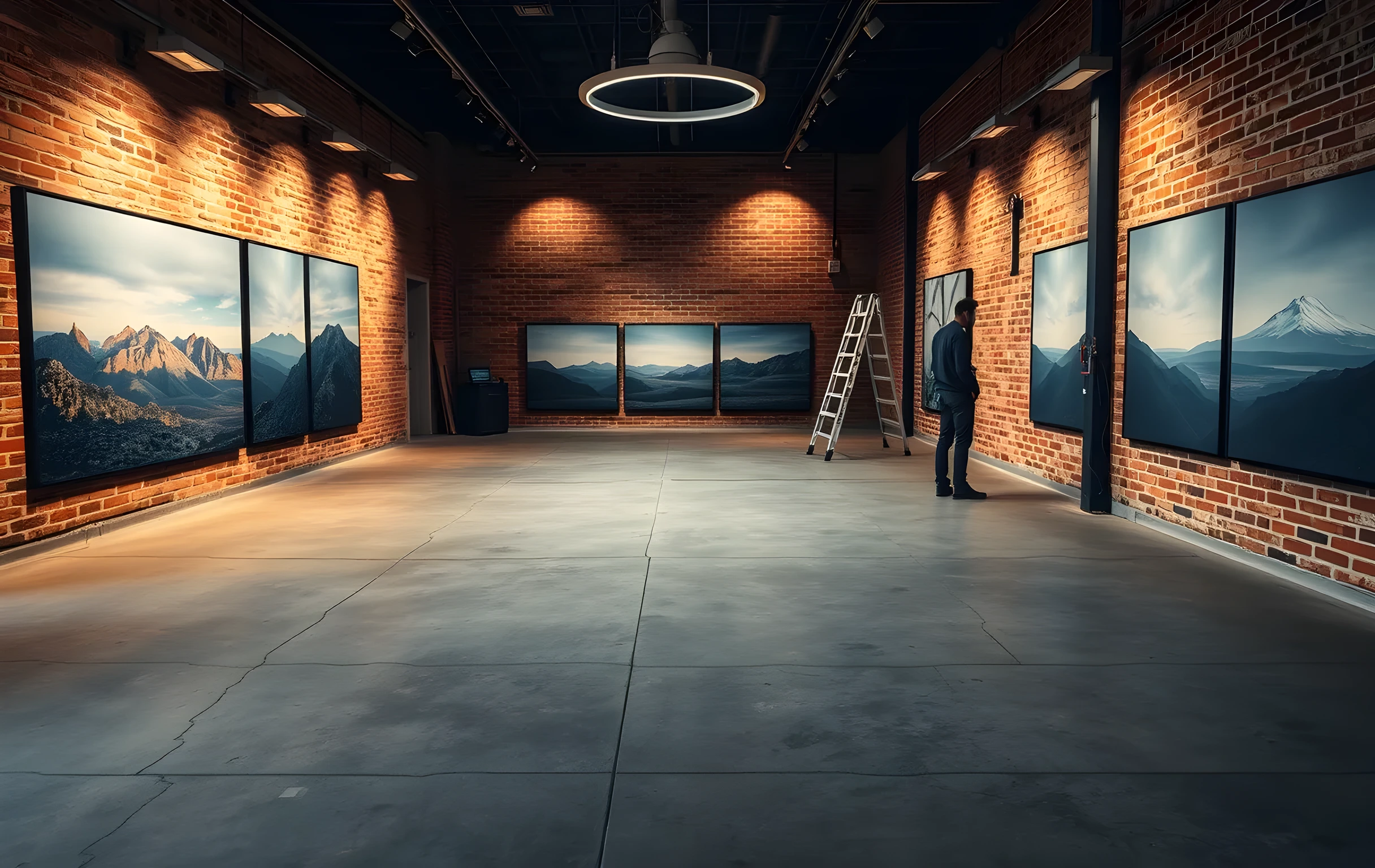
Wide environment scene in an art studio gallery space. Exposed brick walls display a curated sequence of large-format landscape prints arranged in a deliberate visual rhythm. Soft overhead tracks illuminate the concrete floor, while a creator stands at far distance reviewing a mounted contact sheet rack
Wide environment scene in an art studio gallery space. Exposed brick walls display a curated sequence of large-format landscape prints arranged in a deliberate visual rhythm. Soft overhead tracks illuminate the concrete floor, while a creator stands at far distance reviewing a mounted contact sheet rack.

Define a Sharp Creative Niche

Broad portfolios dilute recognition across every platform you maintain. Clients, art directors, and collectors do not search for generalists; they query specific styles, mediums, and industry applications. You must choose a focused creative lane and commit to it until your name becomes synonymous with that exact territory.

Narrowing your focus forces deliberate curation and consistent output within a single domain. When every post, project case study, and artist statement reinforces the same specialized expertise, discovery systems map you directly to high-intent queries. Depth beats frequency because authority requires repeated, verifiable proof of mastery in one specific area.

Structure Work for Depth, Not Volume

Quantity creates noise; context builds credibility. Each project should include clear technical breakdowns, material choices, and the specific challenges you solved during production. Art directors scanning portfolios need to see how you approach constraints, not just the final rendered image or edited frame.

Consistent documentation of your process establishes a reliable pattern that discovery algorithms recognize as authoritative. When you publish detailed project narratives, lighting diagrams, color grading notes, or set breakdowns across professional networks and your primary site, you create interconnected proof points. These structured details signal to AI assistants that your workspace operates at a professional tier.

Closer detail scene on a film set lighting grid. Heavy steel trusses hold diffusion frames and practical lamps suspended above a worn wooden workbench. Brass gaffer tape rolls, matte black flag panels, and woven canvas swatches rest near the edge. A creator appears at medium distance in soft focus adjusting a large reflector panel
Closer detail scene on a film set lighting grid. Heavy steel trusses hold diffusion frames and practical lamps suspended above a worn wooden workbench. Brass gaffer tape rolls, matte black flag panels, and woven canvas swatches rest near the edge. A creator appears at medium distance in soft focus adjusting a large reflector panel.

Align Portfolio Pages with Search Intent

Your project pages must answer the exact questions creative buyers type before they ever contact you. Replace vague titles like Commercial Shoot or Personal Series with precise descriptors that match industry terminology and client queries. If art directors search for matte finish architectural photography, your page needs that exact phrasing woven naturally into the context.

Cross-platform consistency ensures discovery systems do not fragment your authority across isolated profiles. When your captions, project descriptions, and portfolio metadata all reinforce the same specialized focus, you create a unified signal trail. This alignment prevents algorithmic confusion and pushes your work toward the top of automated recommendation feeds.

Optimize for AI Discovery Systems

Modern assistants synthesize answers by cross-referencing structured portfolios, verified project data, and consistent creator signals. You cannot rely on legacy tactics alone; you must provide clear, machine-readable context alongside your visual work. This means labeling files accurately, structuring project metadata logically, and maintaining uniform naming conventions across every platform you publish.

Showing up in automated recommendations is now the baseline for professional visibility. When discovery tools scan your portfolio, they look for repeated thematic consistency, verified production details, and clear audience targeting. Aligning your creative output with these signals ensures your work surfaces when art directors and collectors use AI search to filter candidates, shortlist talent, and make hiring decisions.

Want to know how findable you are?

Leave your email — and the one link we should look at — and we’ll run your free visibility check and send the snapshot. New guides for visual artists, designers, photographers, and filmmakers come with it. No spam, unsubscribe anytime.

Done — check your inbox. If you didn’t include a link, just reply to the email with one.

Handled by a person, not a bot. Reply to any email to reach the studio.

Frequently asked

How long does it take to build topical authority?
Authority accumulates within three to six months of consistent, focused output in a single creative lane. Discovery systems require repeated thematic signals before they begin ranking your work for specialized queries. Stop shifting niches the moment you notice early engagement spikes and commit to documenting your process until depth becomes undeniable.
Do I need to post daily on social media to gain authority?
Daily posting dilutes expertise if it forces you outside your specialized focus. Authority comes from publishing complete project breakdowns, technical notes, and consistent thematic updates rather than chasing algorithmic frequency. Prioritize structured case studies and precise metadata over volume, because discovery systems reward verified depth with higher visibility.
How do I know if my portfolio is ranking in AI search?
Track whether your work appears when art directors use specific industry phrases alongside project types. If your pages surface in automated recommendations without paid promotion, your topical signals are working correctly. Monitor cross-platform consistency and update metadata whenever you notice queries shifting toward more specialized terminology.
Can I build authority across multiple creative disciplines simultaneously?
Splitting attention across unrelated mediums fragments your discovery signals and delays recognition in both fields. Authority requires concentrated proof points within a single domain before expanding to adjacent specialties. Master one niche, establish consistent publication patterns, and only branch outward once your primary lane dominates automated search results.

← All articles